ADHD Diet & Nutrition: What You Eat Shapes Your Mood and Focus - Rachel Devine
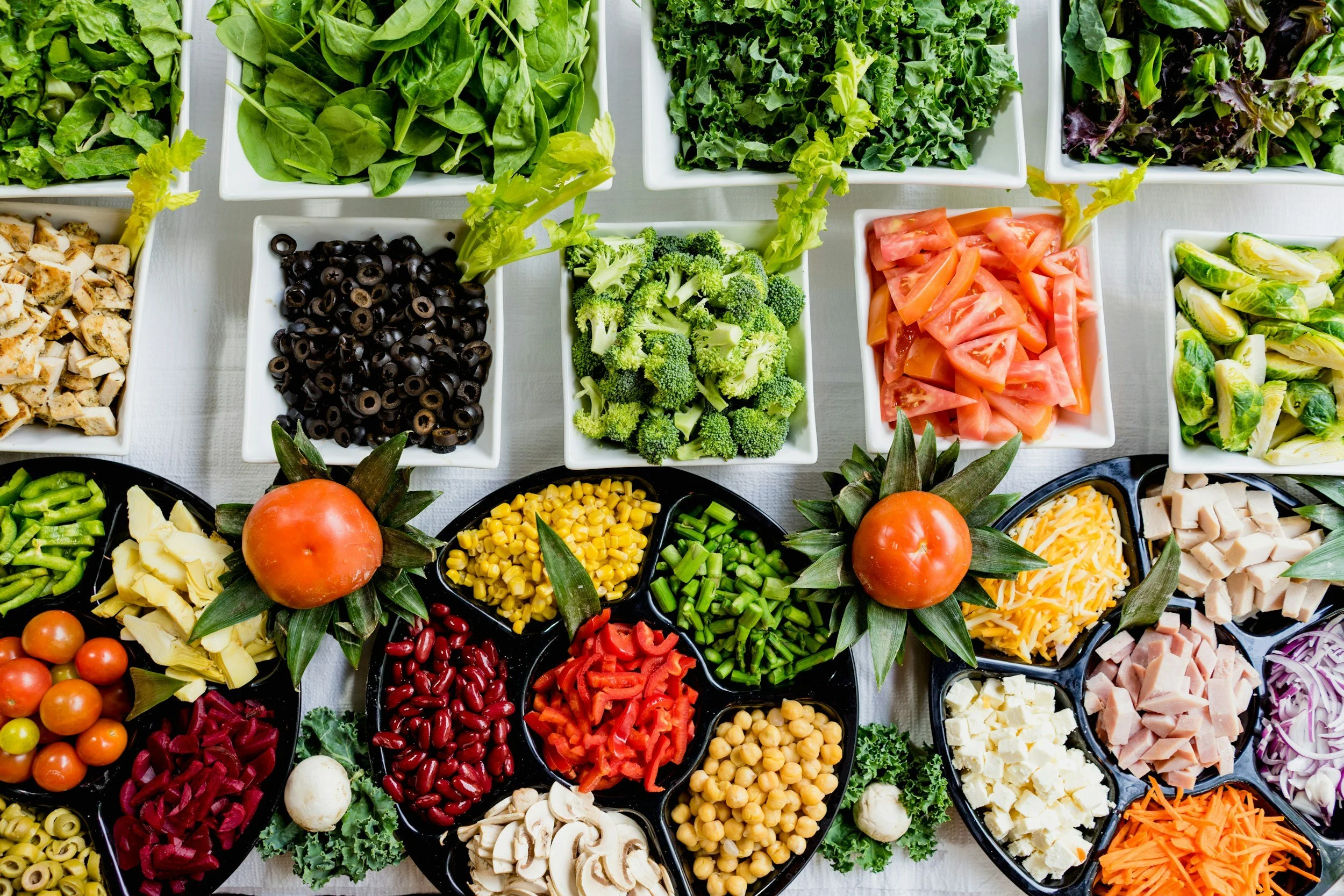
Healthy Foods are imperative for good brain health.
Attention-Deficit/Hyperactivity Disorder (ADHD) is often discussed in terms of behavior, attention, and brain chemistry—but one powerful factor is frequently overlooked: diet. What you eat every day doesn’t just affect your physical health; it directly influences your mood, energy levels, and ability to focus. For those with ADHD, proper diet & nutrition is imperative for brain health. After much research, I came up with the following information, which will help you keep your mood and focus in check.
For individuals with ADHD, nutrition can either support brain function—or make symptoms worse. Understanding this connection can be a game-changer for managing daily life more effectively.
The Link Between ADHD and Nutrition
The brain relies on a steady supply of nutrients to regulate neurotransmitters like dopamine and serotonin—chemicals that control attention, motivation, and mood. People with ADHD often have imbalances in these systems, which means diet plays an even bigger role.
Highly processed foods, sugar spikes, and nutrient deficiencies can:
Increase impulsivity
Worsen brain fog
Cause mood swings
Reduce focus and mental clarity
On the other hand, a balanced diet helps stabilize energy and supports cognitive performance.
How Food Affects Mood and Focus
1. Blood Sugar Stability Is Key
One of the biggest dietary factors in ADHD is blood sugar.
When you consume refined carbs (like white bread, pastries, or sugary snacks), your blood sugar spikes quickly—and then crashes. That crash can lead to:
Irritability
Fatigue
Difficulty concentrating
Maintaining stable blood sugar through balanced meals helps keep your brain functioning consistently throughout the day.
2. Protein Improves Focus
Protein contains amino acids that are essential for neurotransmitter production.
Foods rich in protein:
Eggs
Chicken
Fish
Beans and legumes
These help support dopamine levels, which are often lower in individuals with ADHD. Starting your day with protein can significantly improve attention and reduce impulsivity.
3. Omega-3 Fatty Acids Support Brain Health
Omega-3s are crucial for brain structure and function.
They are found in:
Fatty fish (like salmon and sardines)
Walnuts
Flaxseeds
Research suggests omega-3s may help improve attention and reduce hyperactivity in some individuals with ADHD.
4. Micronutrients Matter More Than You Think
Deficiencies in key vitamins and minerals can worsen ADHD symptoms.
Important nutrients include:
Iron (supports dopamine production)
Zinc (affects neurotransmitter function)
Magnesium (helps with calmness and sleep)
B vitamins (support energy and brain health)
Even mild deficiencies can impact mood and cognitive performance.
5. Artificial Additives and Processed Foods
Some people with ADHD are sensitive to:
Artificial colors
Preservatives
Flavor enhancers
These can increase hyperactivity and reduce attention in certain individuals. While not everyone is affected, reducing processed foods is generally beneficial. The reality is, processed foods are unhealthy and it’s better to stick with whole foods and not eat anything in a box or container.
Foods That Help ADHD Symptoms
If you're looking to support focus and mood, prioritize these foods:
Brain-Friendly Choices
Whole grains (brown rice, oats, quinoa)
Lean proteins (chicken, fish, tofu)
Healthy fats (avocado, olive oil, nuts)
Fruits (especially berries)
Vegetables (especially leafy greens)
These foods provide steady energy and essential nutrients for brain function.
Foods That May Worsen Symptoms
While everyone is different, these foods are commonly linked to worsened ADHD symptoms:
Sugary snacks and drinks like soda
Highly processed foods
Refined carbohydrates
Excess caffeine (can increase anxiety or disrupt sleep)
Moderation is key, but reducing these can lead to noticeable improvements.
The Gut-Brain Connection
An emerging area of research shows that gut health plays a role in brain function.
Your gut microbiome influences:
Mood regulation
Inflammation levels
Neurotransmitter production
Eating foods that support gut health can indirectly improve ADHD symptoms.
Gut-Friendly Foods
Yogurt with live cultures
Kefir
Fermented foods (like sauerkraut)
Fiber-rich foods (vegetables, whole grains)
Practical Tips for Daily Life
Making dietary changes doesn’t have to be overwhelming. Start small:
1. Build Balanced Meals
Each meal should include:
Protein (meat, fish, Greek yogurt)
Healthy fats (like avocado’s, olive oil, peanut butter)
Complex carbohydrates (potatoes, rice, beans)
This keeps your energy stable and supports focus.
2. Don’t Skip Meals
Skipping meals can lead to blood sugar crashes, making symptoms worse.
Aim for:
3 main meals
1–2 healthy snacks
3. Stay Hydrated
Even mild dehydration can affect concentration and mood.
4. Plan Ahead
People with ADHD often struggle with consistency. Preparing meals in advance can help avoid impulsive food choices.
Can Diet Replace Medication?
Diet alone is not a cure for ADHD. However, it can be a powerful support tool alongside:
Medical treatment
Therapy
Lifestyle changes
Many people find that improving their diet reduces the severity of symptoms and enhances overall well-being.
Final Thoughts
What you eat has a direct impact on how your brain functions in all areas. For individuals with ADHD, diet can influence everything from focus and memory to mood and emotional stability.
By choosing nutrient-dense, balanced foods and avoiding those that cause spikes and crashes, you can create a more stable internal environment for your brain.
Small, consistent changes often lead to the biggest results over time.
Rachel Devine is an author & seasoned Life Coach.
For information aboutRachel Devine’s Life Coaching & rates, click here. Rachel offers a sliding scale rate for people who are retired or on a fixed income.